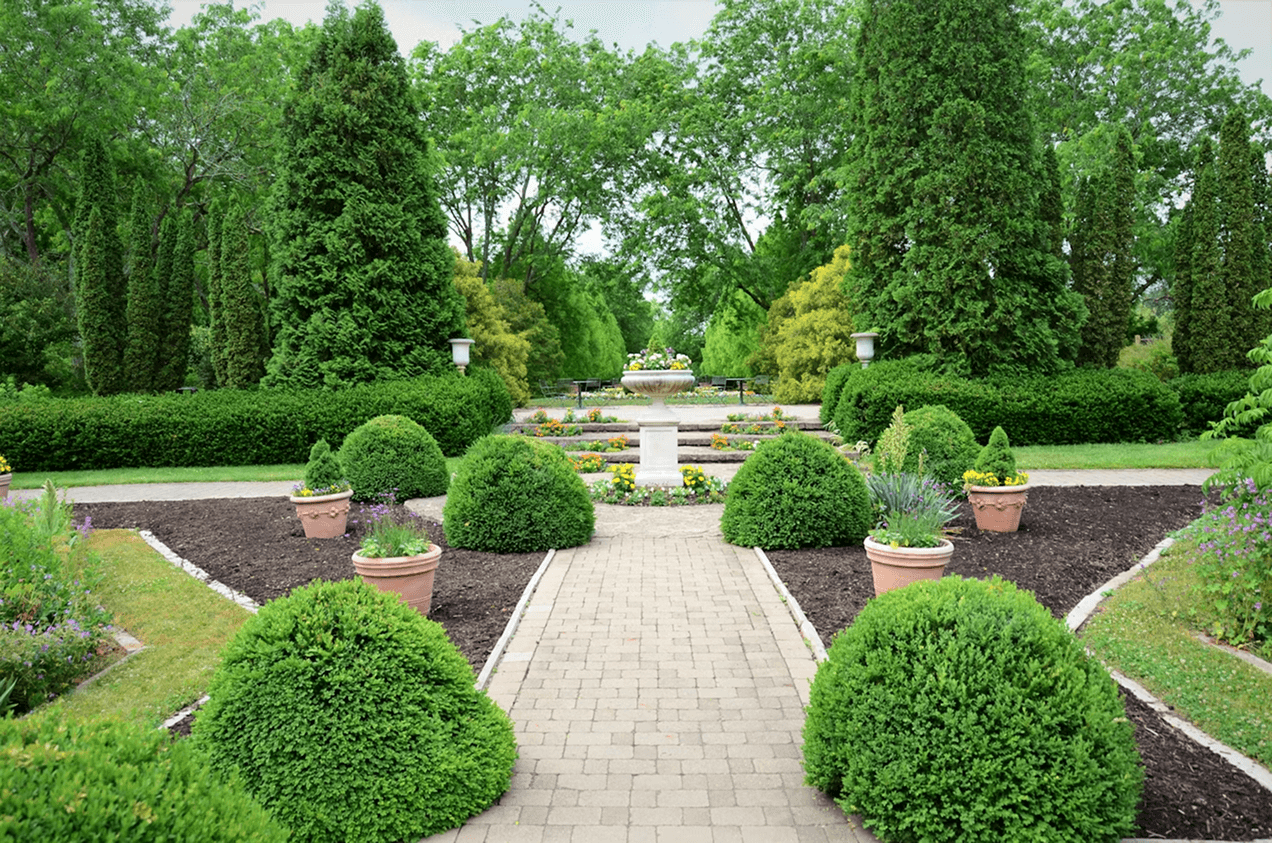
Not sure what style of backyard actually suits your block, your lifestyle, and your budget? You’re not alone.
Most homeowners know they want something done with their outdoor space. The grass is patchy, the old garden beds have seen better days, and that back corner has been “we’ll deal with it later” territory for years. But when it comes to choosing between native gardens, coastal landscaping, cottage charm, or a productive veggie patch? That’s where it gets overwhelming.
Here’s the thing most people miss: your ideal backyard isn’t just about picking a style you like on Pinterest. It’s about combining the right landscape style with the right terrain approach for your specific block.
A stunning native garden design won’t work the same way on a steep slope as it does on a flat suburban lot. A cottage garden that thrives in sheltered Denmark might struggle with Albany’s coastal winds. And that terraced entertaining space you saw in a magazine? It needs the right structural approach to actually work on your site.
This guide breaks down 15 backyard landscape types we design and build across Albany and the Great Southern region. Whether you’ve got a flat suburban lot in Yakamia, a sloped hillside in Mt Melville, existing trees you want to keep, or a windswept coastal block near Middleton Beach, there’s a combination here that fits.
This guide is for you if:
Before picking a style, you need to understand what your block actually offers. Every landscape we design uses one of three terrain approaches. Getting this right matters more than most people realise—it affects cost, maintenance, drainage, and how well your garden performs long-term.
Flat or near-flat blocks where your design works on one plane. This is the most straightforward approach, with defined edges, clear paths, and organised planting zones. Single-level designs are typically faster to install, more affordable, and easier to maintain.
Works best for: Suburban blocks, families with young kids, anyone wanting maximum usable lawn space, rental properties.
Albany context: Many blocks in Yakamia, Spencer Park, and newer estates suit single-level designs. Even if there’s a slight fall, we can often work with it rather than introducing major level changes.
Your block has existing trees, rock outcrops, or natural contours worth keeping. Rather than clearing everything and starting fresh, this approach designs around what’s already there. The result feels settled, organic, and connected to place from day one.
Works best for: Established properties with mature trees, blocks with granite outcrops, sites where you want that “always been here” feel.
Albany context: Older properties in Middleton Beach, Mt Clarence, and rural blocks often have established peppermints, sheoaks, or marri trees worth preserving. Keeping them isn’t just aesthetic—those root systems help stabilise sandy soils and provide instant shade.
Sloped blocks that need retaining walls, terraces, and engineered level changes. This approach requires more structural work upfront—limestone walls, proper drainage, engineered footings—but it transforms otherwise unusable slopes into dramatic, functional outdoor rooms.
Works best for: Hilly blocks, properties with significant fall, anyone wanting defined outdoor “zones” for different activities.
Albany context: Mt Melville, Mt Clarence, and parts of Emu Point have plenty of sloped sites that need this approach. Done well, the elevation becomes an asset—think views, layered planting, and entertaining spaces that feel private and impressive.
| # | Landscape Type | Terrain | Best For | Maintenance | Key Features | Vibe |
|---|---|---|---|---|---|---|
| 1 | The Clean & Simple Backyard | Single-Level | Busy families, rentals | Low | Open lawn, steel edging, hardy plants, auto-retic | Calm, practical, fuss-free |
| 2 | The Balanced Groundscape | Natural Feature | Established properties | Low | Lawn around existing trees, gravel paths, native grasses | Settled, harmonious |
| 3 | The Tiered Living Yard | Tiered Hardscape | Sloped blocks | Low | Limestone walls, level terraces, integrated steps | Structured, accessible |
| 4 | The Barefoot Native Garden | Single-Level | Nature lovers | Low-Med | Native lawn, limestone paths, bird-attracting plants | Sensory, grounded, alive |
| 5 | The Bushland Haven | Natural Feature | Large blocks, eco-focused | Low | Indigenous groupings, jarrah features, water capture | Regenerative, evolving |
| 6 | The Terraced Native Escape | Tiered Hardscape | Steep blocks | Med | Limestone walls, layered natives, seating platforms | Dramatic, ecological |
| 7 | The Storybook Garden | Single-Level | Character homes | Med-High | Roses, lavender, brick paving, vintage lighting | Romantic, fragrant, nostalgic |
| 8 | The Old-World Garden | Natural Feature | Older homes, renovations | Med | Curved paths, layered planting, natural stone | Storied, personal, rich |
| 9 | The Grand Terrace Garden | Tiered Hardscape | Statement homes | High | Stone walls, terraced beds, formal hedging | Elegant, impressive |
| 10 | The Living Pantry | Single-Level | Families, growers | Med-High | Raised veggie beds, fruit trees, compost systems | Productive, connected |
| 11 | The Regenerative Homestead | Natural Feature | Acreage, eco households | Med | Integrated food zones, greywater, native shade | Self-sustaining, resilient |
| 12 | The Hillside Harvest | Tiered Hardscape | Serious growers | High | Retained growing beds, stone terraces, irrigation | Maximised, functional |
| 13 | The Beachside Retreat | Single-Level | Coastal homes | Low | Limestone, salt-tolerant plants, outdoor shower | Relaxed, easy, post-beach |
| 14 | The Wild Coast Haven | Natural Feature | Coastal acreage | Low | Indigenous coastal plants, windbreaks, driftwood | Raw, rugged, authentic |
| 15 | The Coastal Resort Garden | Tiered Hardscape | Premium coastal homes | Med | Tiered entertaining, pools, wind-sails, limestone | Luxurious, resort-style |
For homeowners who want their backyard to look good without demanding every weekend. These three options suit different block types while keeping upkeep minimal.
Terrain: Single-Level
Best for: Busy families, rental properties, FIFO workers, anyone who wants a tidy yard without the weekend workload.
Signature features:
This is a practical, stress-free outdoor space designed for real life. It stays neat with minimal effort and handles everyday use without showing wear. No fussy hedges to clip, no delicate flowers to deadhead—just a clean, functional backyard that does its job.
The key is choosing the right plants from the start. We use species that thrive in Albany’s climate without constant attention. Once established and on automated watering, you’re looking at maybe a couple of hours maintenance per month.
Quick self-check: How much time do you actually want to spend maintaining your yard? Do you prefer clean lines or layered planting? Is your block flat or close to flat?
Pro tip: Steel edging is worth the investment. It stays straight for decades, keeps lawn and garden beds separated, and eliminates that constant edge-trimming battle.
Terrain: Natural Feature Incorporation
Best for: Established properties with existing trees or rocks you’d rather keep than remove. Nature-lovers who still want order.
Signature features:
This approach works with what’s already there. Instead of clearing a mature peppermint tree that’s been growing for forty years, we design around it. The result feels settled and harmonious—like the garden belongs to the site rather than being imposed on it.
It’s also surprisingly practical. Established trees provide instant shade, their root systems help with drainage in sandy soil, and you skip the years of waiting for new plantings to mature.
Quick self-check: Are there existing features on your block you want to keep? Do you prefer natural over formal design? Should your yard blend into its surroundings?
Pro tip: In Albany’s sandy soils, keeping established trees often means keeping the root systems that hold everything together. Removing a big tree can destabilise the ground around it.
Terrain: Tiered Hardscape
Best for: Hilly Albany blocks where flat lawn simply isn’t an option. Families needing multiple usable zones on a slope.
Signature features:
Many Albany blocks have significant slope—and plenty of homeowners have been looking at unusable hillsides for years. This approach turns that liability into usable space. Each terrace becomes its own zone: maybe lawn for the kids up top, a paved entertaining area mid-level, and garden beds at the bottom.
The structural work is more involved upfront, but once it’s done, maintenance is straightforward. Level surfaces are easier to mow, easier to use, and safer for families.
Quick self-check: Is your yard sloped? Do you want multiple usable levels? Do you prefer structure over softness?
Pro tip: Drainage is critical on tiered sites. We design water flow into every retaining wall—without it, hydrostatic pressure builds up behind walls and causes long-term problems.
For homeowners who want their backyard to connect with the Great Southern landscape, support local wildlife, and work with the local climate rather than against it.
Terrain: Single-Level
Best for: Nature lovers, eco-conscious households, anyone who wants birds, butterflies, and honeyeaters visiting their backyard.
Signature features:
This is a sensory garden. Textures you want to touch, bird calls in the morning, seasonal flowers that change through the year. It feels alive and connected to place in a way formal gardens rarely achieve.
The plants we use evolved here. They handle Albany’s wet winters and dry summers without complaint. Once established, they need far less water and feeding than exotic species—and they’ll bring the wildlife.
Quick self-check: Do you enjoy wildlife in your garden? Do you like informal, flowing layouts? Is barefoot access important to you?
Pro tip: Group your bird-attracting plants rather than scattering them. A cluster of three or four Grevilleas will attract more birds than single plants dotted around the yard.
Terrain: Natural Feature Incorporation
Best for: Large blocks, long-term homeowners, sustainability-focused clients who want a garden that gives back.
Signature features:
This is regenerative landscaping. Rather than imposing a design and maintaining it forever, you’re creating conditions for a landscape that improves over time. It evolves naturally, supports biodiversity, and becomes more resilient as it matures.
It’s a long-term approach suited to homeowners who plan to stay. Five years in, it’ll look better than year one. Ten years in, it’ll feel like remnant bushland.
Quick self-check: Is sustainability a genuine priority for you? Do you want a garden that evolves naturally? Are you comfortable with a less formal, more organic structure?
Pro tip: We source indigenous plants from local provenance wherever possible. Plants grown from local seed stock are better adapted to Albany’s specific conditions.
Terrain: Tiered Hardscape
Best for: Steep properties where you want both structural drama and ecological value. Design-driven homeowners who don’t want to sacrifice sustainability for style.
Signature features:
Structure meets expression. The limestone walls create dramatic elevation changes and usable flat spaces, while dense native planting softens the hard edges and creates genuine habitat. You get the best of both—impressive architecture and ecological richness.
These gardens often look their best in spring and early summer when the banksias and grevilleas are flowering and the honeyeaters are active.
Quick self-check: Do you want dramatic elevation changes? Do you like a balance of structure and nature? Is your block steep enough to need retaining?
Pro tip: Limestone retaining walls can include deliberate planting pockets. Trailing natives spilling over the edges soften the structure and provide additional habitat.
For homeowners drawn to romance, fragrance, and gardens with soul. These designs suit character homes and garden lovers willing to invest time in something beautiful.
Terrain: Single-Level
Best for: Character homes, heritage properties, dedicated garden lovers who find joy in roses and lavender.
Signature features:
This is a garden for slow mornings with coffee and evening wandering with a glass of wine. Warm, nostalgic, deeply romantic. The kind of space that makes visitors say “this is exactly what I imagined.”
It requires more attention than a native or low-maintenance garden—deadheading, seasonal pruning, feeding—but for the right person, that work is pleasure rather than chore.
Quick self-check: Do you love classic, romantic gardens? Are flowers genuinely important to you? Do you enjoy the rhythm of seasonal garden tasks?
Pro tip: Albany’s climate suits roses better than many parts of WA. The cooler winters give them the dormancy they need, and the moderate summers don’t stress them like inland heat.
Terrain: Natural Feature Incorporation
Best for: Older homes with established bones, renovation projects where the garden needs to match the house’s character.
Signature features:
This garden feels like it’s always belonged. It doesn’t look designed—it looks discovered. Personal, layered, rich with story. The kind of garden where every corner reveals something new and every plant seems to have been placed by time rather than plan.
It works beautifully with older Albany homes that have their own character and history.
Quick self-check: Do you value character over perfection? Are there existing features you want preserved and celebrated? Do you enjoy layered, abundant planting?
Pro tip: We often source materials to match existing elements—matching old brick, finding stone that complements what’s already there. The goal is seamless integration.
Terrain: Tiered Hardscape
Best for: Statement homes, entertainers, anyone wanting European hillside elegance on a Great Southern slope.
Signature features:
This transforms a sloped block into a series of elegant garden rooms, each filled with colour, fragrance, and romance. It’s impressive without being cold—grand but still welcoming.
The highest maintenance option here, but also the most dramatic result. This is for homeowners who want their garden to make a statement and are willing to invest in keeping it at its best.
Quick self-check: Do you want your garden to feel impressive? Do you enjoy formal layouts and structured beauty? Is your block sloped enough to create genuine terracing?
Pro tip: Consider built-in irrigation from the start. Hand-watering terraced beds on a slope gets old quickly.
For homeowners who want to grow food, connect with the seasons, and create something productive as well as beautiful.
Terrain: Single-Level
Best for: Families who want fresh vegetables, sustainability advocates, anyone who remembers their grandparents’ vegie garden and wants that connection.
Signature features:
This garden feeds body and soul. Fresh tomatoes in summer, leafy greens through winter, herbs at the kitchen door. It teaches kids where food comes from and connects you to the seasons in a way nothing else does.
Albany’s climate is actually excellent for food growing—the mild summers don’t stress plants like Perth’s heat, and the reliable winter rainfall keeps things going.
Quick self-check: Do you genuinely want to grow food at home? Do you enjoy hands-on, regular gardening? Is teaching kids about food production a priority?
Pro tip: Raised beds are worth every dollar. They warm up faster in spring, drain better in winter, and save your back. Build them at 600mm height minimum.
Terrain: Natural Feature Incorporation
Best for: Acreage properties, eco-focused households, anyone interested in closed-loop systems and genuine sustainability.
Signature features:
This is systems-thinking applied to landscape. Everything connects. Kitchen scraps feed worms that feed soil that grows vegetables that feed the family. Greywater irrigates fruit trees. Native canopy provides shelter for production below.
It’s a landscape that provides independence and resilience—increasingly valuable as climate and costs become less predictable.
Quick self-check: Are you genuinely interested in water reuse and closed-loop systems? Do you want a self-sustaining garden? Do you enjoy learning through hands-on experimentation?
Pro tip: Start with water. Understanding how water moves across your site—where it comes from, where it goes—is the foundation for everything else.
Terrain: Tiered Hardscape
Best for: Serious growers with sloped land who refuse to waste productive potential. Function-first thinkers.
Signature features:
This approach maximises productive space on difficult terrain. Every terrace becomes growing space. The structure creates microclimates—warm north-facing beds for tomatoes, cooler southern slopes for leafy greens.
It’s the most intensive approach to food production on sloped land, and it works.
Quick self-check: Is your land significantly sloped? Do you want genuinely productive use of that space? Are you committed to the infrastructure required?
Pro tip: Orient terraces to maximise northern sun exposure. In Albany’s latitude, that winter sun angle makes a real difference to what you can grow year-round.
For homeowners dealing with salt air, relentless wind, and sandy soil. These designs work with coastal conditions rather than fighting them.
Terrain: Single-Level
Best for: Coastal homes from Middleton Beach to Emu Point, holiday properties, anyone who wants their backyard to feel like an extension of beach life.
Signature features:
This is relaxed, practical outdoor living designed for sandy feet and salt air. The garden doesn’t fight the coast—it embraces it. Low hedges handle the wind. Limestone surfaces stay cool underfoot. The whole space says “slow down, you’re at the beach.”
Maintenance is minimal because everything selected actually belongs in coastal conditions.
Quick self-check: Are you exposed to sea breezes? Do you live within a few kilometres of the coast? Do you want easy outdoor rinsing after beach trips?
Pro tip: Wind protection is everything. We position hardy windbreak plantings (coastal rosemary, coastal wattle, olearia) to shelter more delicate species and create usable calm zones.
Terrain: Natural Feature Incorporation
Best for: Coastal acreage, nature-driven owners, exposed sites where a manicured garden would look ridiculous and fail anyway.
Signature features:
This garden embraces raw coastal beauty. It’s calm, rugged, and authentic—like the Great Southern coastline itself. It doesn’t pretend to be a suburban garden transported to the beach. It belongs.
Perfect for sites where exposure makes conventional gardening impossible. Rather than fighting the wind and salt, you work with them.
Quick self-check: Do you prefer natural over refined? Is your site genuinely exposed? Should your garden blend into the coastal landscape around it?
Pro tip: Indigenous coastal plants have evolved over thousands of years to handle exactly these conditions. Trust them.
Terrain: Tiered Hardscape
Best for: Premium coastal homes, entertainers, long-term lifestyle properties where outdoor living is central to how you use the house.
Signature features:
Resort-style living that transforms sloping coastal blocks into luxury outdoor spaces. This is serious entertaining infrastructure—multiple zones for different occasions, all designed to handle harsh coastal conditions while looking exceptional.
It’s the highest investment option, but for the right property and the right owners, it creates genuinely spectacular outdoor living.
Quick self-check: Do you want a resort-style outdoor space? Is entertaining a genuine priority? Are you prepared for the structural work required on a sloped coastal site?
Pro tip: Material selection is critical in coastal exposure. We specify marine-grade fixings, coastal-rated timbers, and finishes that handle salt without constant maintenance.
| Terrain Type | Landscape Styles That Fit |
|---|---|
| Single-Level | Clean & Simple Backyard, Barefoot Native Garden, Storybook Garden, Living Pantry, Beachside Retreat |
| Natural Feature Incorporation | Balanced Groundscape, Bushland Haven, Old-World Garden, Regenerative Homestead, Wild Coast Haven |
| Tiered Hardscape | Tiered Living Yard, Terraced Native Escape, Grand Terrace Garden, Hillside Harvest, Coastal Resort Garden |
| Your Goal | Best Landscape Types |
|---|---|
| Lowest possible upkeep | Clean & Simple Backyard, Balanced Groundscape, Beachside Retreat |
| Attract birds and wildlife | Barefoot Native Garden, Bushland Haven, Terraced Native Escape |
| Grow food at home | Living Pantry, Regenerative Homestead, Hillside Harvest |
| Entertain guests in style | Grand Terrace Garden, Coastal Resort Garden, Storybook Garden |
| Work with a sloped block | Tiered Living Yard, Terraced Native Escape, Hillside Harvest, Coastal Resort Garden |
| Coastal durability (salt, wind) | Beachside Retreat, Wild Coast Haven, Coastal Resort Garden |
| Keep existing trees/features | Balanced Groundscape, Bushland Haven, Old-World Garden, Wild Coast Haven |
| Classic cottage charm | Storybook Garden, Old-World Garden, Grand Terrace Garden |
| Sustainability and self-sufficiency | Bushland Haven, Regenerative Homestead, Living Pantry |
What’s the most popular backyard style in Albany and the Great Southern? Native gardens and coastal landscapes dominate here—they suit our climate, handle the wind, and attract local wildlife. Low-maintenance options are consistently popular with busy families and FIFO workers who want their yard to look good without demanding every weekend.
How do I know if my block needs retaining walls? If your yard slopes more than about 1 metre across its length, terracing usually makes sense for creating usable space. We assess slope, soil type, drainage, and how you want to use the space before recommending structural work. Sometimes working with the slope is better than fighting it.
Can I combine different styles? Absolutely. Many clients want a productive veggie zone and native planting elsewhere, or cottage flowers near the house with coastal-hardy plants at the boundary. We design for how you actually live, not rigid style categories.
What’s the best low-maintenance garden for sandy soil? Native plants like Lomandra, Dianella, and coastal species thrive in Albany’s sandy soils without heavy watering or feeding. Pair them with automated reticulation, quality soil improvement at planting, and proper mulching—and you’ve got minimal ongoing upkeep.
How long does a backyard landscaping project take? Simple single-level gardens might take 1-2 weeks of construction. Complex tiered hardscape projects with retaining walls, paving, and irrigation can run 4-8 weeks depending on scale, access, and weather. We provide realistic timeframes upfront.
Do you help with council approvals for retaining walls? Yes. Retaining walls over 500mm in height typically require engineering certification, and walls over certain heights need building permits. We coordinate engineers and handle council submissions as part of the design process.
What about ongoing maintenance after you finish? We can provide maintenance schedules tailored to your garden, and many clients book regular maintenance visits. But our goal is designing gardens that match your realistic maintenance capacity from the start—so you’re not stuck with something that needs more attention than you can give it.
Still not sure which landscape type suits your block? That’s exactly what the first conversation is for.
We’ll look at your site, talk through how you want to use the space, discuss your realistic maintenance capacity and budget parameters, and match you with the right combination of style and terrain approach.
No two blocks are identical. No two families use their outdoor space the same way. The goal is finding what actually works for you—not selling you a standard package.
Contact Great Southern Landscaping to book a site visit. No obligation, no pressure—just clarity on what’s possible for your backyard.